
01
Learn the shape of a network
A phone, a radio site, and a core are enough to start. The rest is detail you can add when a real question shows up.
Independent journal · not an operator
Casablanca · an independent journal
Notes on mobile networks, ordinary internet use, and the practical work of keeping in touch. Written for readers. Not sold as a service.
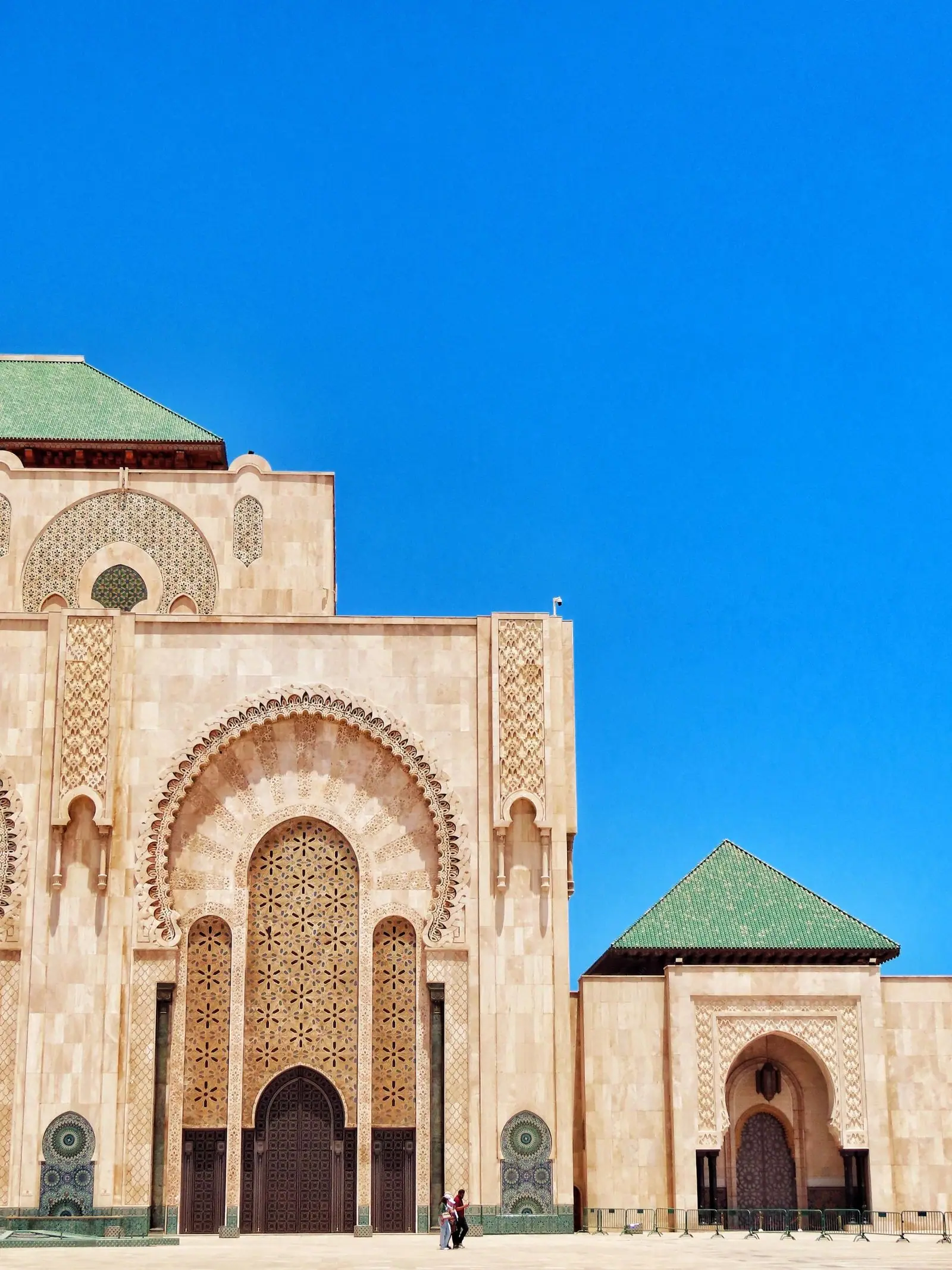
01
A phone, a radio site, and a core are enough to start. The rest is detail you can add when a real question shows up.
02
Messages, maps, and video do not ask the same thing of a connection. Knowing the difference saves a frustrated afternoon.
03
Distance is easier when both sides agree on a channel, a time, and a backup for the day the call does not go through.
04
This site has no plans, no SIM desk, and no booking form. For a current offer, read the provider. For a rule, read the regulator.
Read this before the notes
Most “my phone does not work in Morocco” stories are one of four mix-ups: the wrong network name, a number written with a zero too many, a clock still set to last year’s offset, or a room that the street signal never enters. The notes go into each of those. This is the short version, with the public facts attached.
ANRT, the national telecommunications regulator, licenses three mobile operators. On the licence they are Itissalat Al-Maghrib (the company people call Maroc Telecom, or IAM), Médi Telecom (Orange), and Wana Corporate (inwi). The roll is public on anrt.ma. A name on that list means the company may run a network. It does not mean a given apartment, train, or mountain road has usable service, and it is not a ranking. maroc-telecom.top is a journal at Bd des Almohades in Casablanca. It does not hold a licence, a SIM stock, or anyone’s account.
Inside Morocco a phone number has ten digits and starts with 0. Mobiles in ordinary use start with 06 or 07. Geographic landlines start with 05, and the next digits mark the area: 0522 is Casablanca, which is why the desk phone on this site is 0522 260 960 from a Moroccan line and +212 522 260 960 from anywhere else. Drop that leading 0 and add the country code. A scrap of paper that says 0661 23 45 67 is +212 661 23 45 67 in a French, Spanish, or British address book. From Morocco outward, the exit code is 00: a French mobile 06 12 34 56 78 is dialled 00 33 6 12 34 56 78. Store the plus form. One swapped digit imitates a network fault for days. The longer version, including Wi-Fi calling and SMS versus chat apps, is calls, texts, and messages.
That day the head of government validated ANRT’s report and the three operators received licences to build fifth-generation networks. ANRT’s press release states the licence fees: 900 million dirhams including tax for 120 MHz (Itissalat Al-Maghrib), and 600 million each for 70 MHz (Médi Telecom and Wana Corporate). The same text says their coverage commitments should reach 45% of the population by the end of 2026 and 85% by the end of 2030. Those percentages are national population figures, not a promise about a kitchen in Oujda or a coach on the N9. A handset also has to support the bands in use, and the subscription has to be allowed onto them. Plenty of phones will keep showing 4G in a city a slide has already filled in. The mechanism, and the difference between a licence and a bar of signal, is in how a mobile network is put together.
Morocco returned to Greenwich Mean Time, UTC+0, at 02:00 on Sunday 20 September 2026, under Decree No. 2.26.530. On this Thursday, 24 September 2026, the United Kingdom is still on British Summer Time (UTC+1) and France is still on Central European Summer Time (UTC+2). So 18:00 in Casablanca is 19:00 in London and 20:00 in Paris. The UK moves back to UTC+0 on 25 October 2026; France moves to UTC+1 the same night. After that, Casablanca and London match until the UK springs forward again, and Paris stays one hour ahead. Relatives who learned “Morocco is the same as France” or “Morocco is GMT+1” are using a retired rule. Check a world clock on the day you book the call. The household version is staying in touch.
| You are dealing with | Start here | Then, if it is still unclear |
|---|---|---|
| A number someone abroad “cannot reach” | Calls and messages | Write it as +212 and drop the 0. Read it back digit by digit. |
| WhatsApp fails, a normal call still connects | Mobile internet | Where the allowance went |
| The street works and the bedroom does not | Coverage and signal | Wi-Fi in that room |
| A new phone will not take the card, or an eSIM vanished | SIM and eSIM | PIN, PUK, and a carrier lock are different problems. Do not delete the profile first. |
| You want to change operator and keep the number | Networks | Get the RIO from the current line by calling 1234. Give it to the new operator. Do not cancel first. |
| A weekly call with family keeps missing | Staying in touch | Fix the clock, then the backup text, then the room you sit in. |
Prices, bundle sizes, and street-level maps change on the operator’s side of the counter. They are not reprinted here. If a figure on this page is a licence fee or a population commitment, it is taken from ANRT’s 25 July 2025 release and labelled as such.
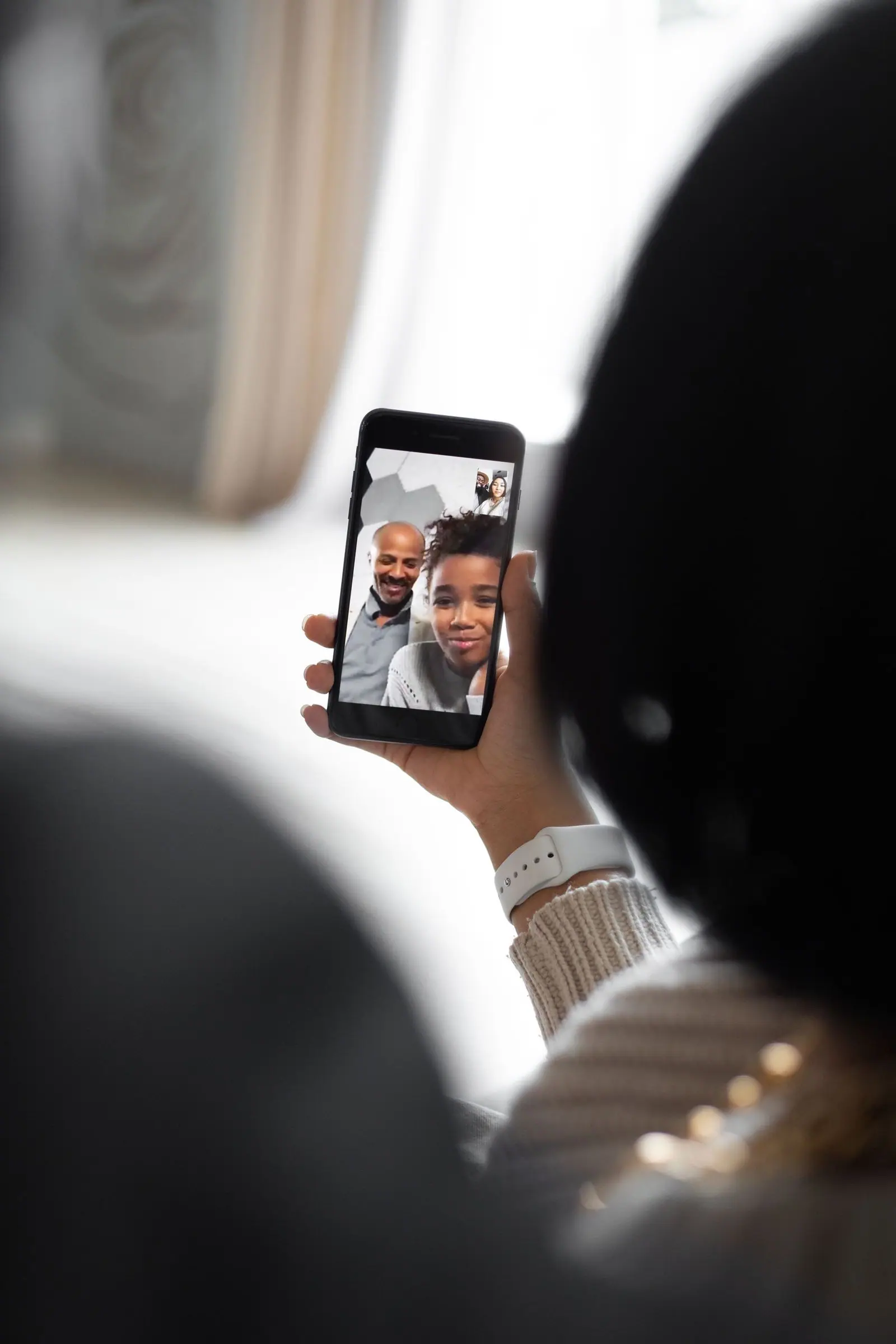
Start here
If you opened this site because someone you love is in another country, begin with the note on rhythms, low-bandwidth messages, and Morocco’s return to GMT on 20 September 2026.
Updated 24 September 2026
Networks
20 min
How a call actually crosses a Moroccan mobile network, who holds the three licences, what the 25 July 2025 5G awards did and did not promise, and how the 12-character RIO works if you keep your number.
Everyday use
18 min
A Casablanca day broken into tasks: which icon you are really on, what a map costs compared with a video call, and the background sync that empties an allowance while the phone sits in a pocket.
People
18 min
A written backup plan for two households: channels, a missed-call script, international numbers, and the real offset between Casablanca, London, and Paris after the return to GMT on 20 September 2026.
Networks
18 min
PIN, PUK, and RIO are three different codes. This note separates them, then covers locked handsets, eSIM deletion, dual lines, and the identity document a shop actually asks to see.
Everyday use
17 min
Fibre or copper into the building, Wi-Fi across the flat, a phone hotspot when that fails, and a café network you should not treat as a private line. How to tell which one the laptop is using.
People
17 min
When a voice call, an SMS, and a chat app take different paths, with worked examples of +212 dialling, Wi-Fi calling, and the text that should still go out when a video call will not.
Places
18 min
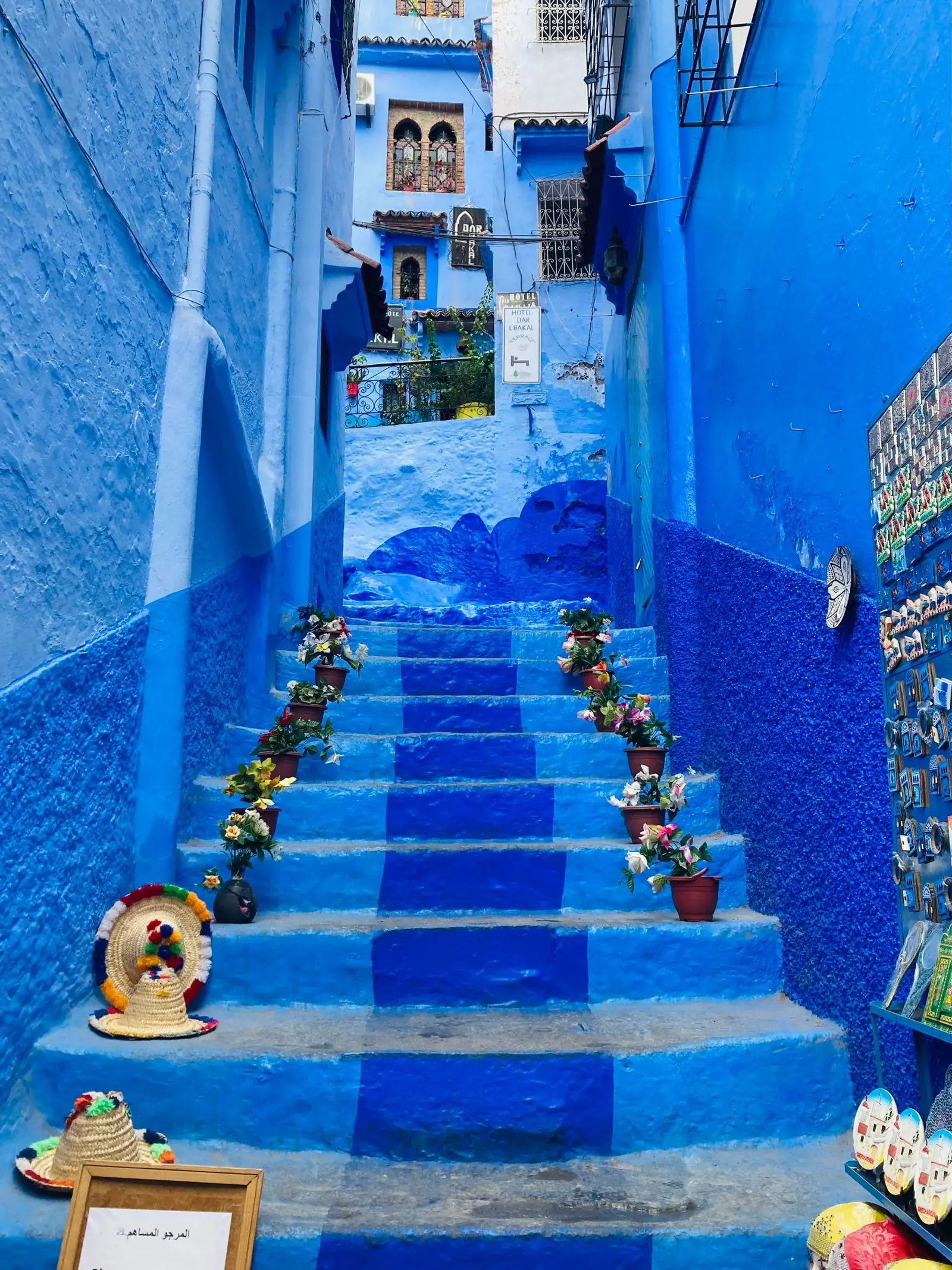
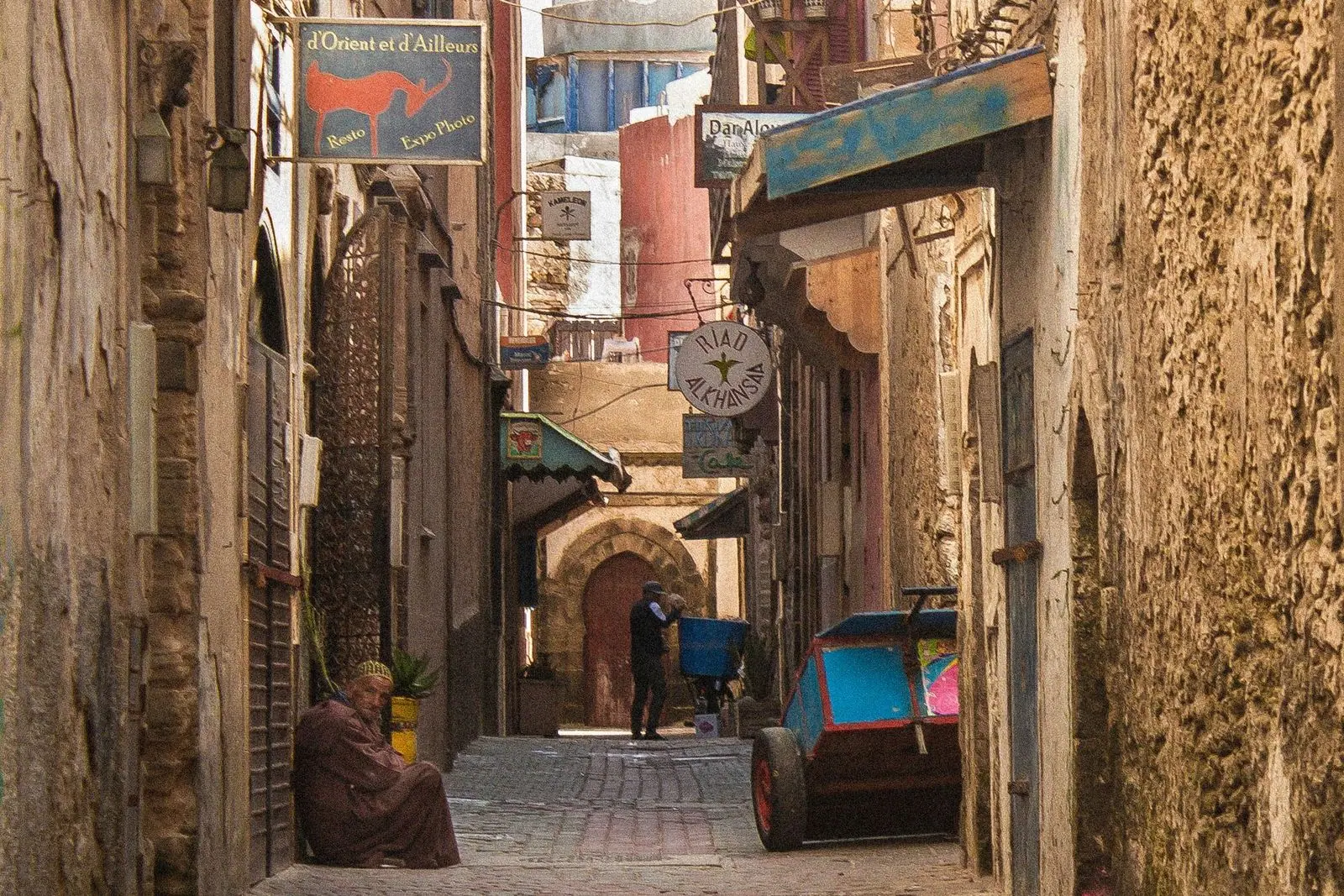
Why a bar count misleads in a Casablanca tower, a Fes riad, an Atlas switchback, and on the desert road, and a repeatable test that separates the room from the subscription.
Everyday use
16 min
Where iOS and Android hide the counter, which apps spend data with no tap from you, and a rough ladder of tasks that you must check against your own phone rather than treat as a bill.

The publisher
maroc-telecom.top is published from Bd des Almohades, Casablanca 20250. The desk answers questions about these pages. It cannot refill a balance, move a number, or open a ticket with a network.
If a passage goes stale, write to [email protected]. The note’s updated date changes when the text does.